
The Factory Hot Rod: Why the 2002 Chrysler Prowler Remains an Engineering Curiosity
The Factory Hot Rod: Why the 2002 Chrysler Prowler Remains an Engineering Curiosity
Posted on September 16, 2026



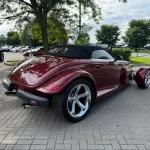
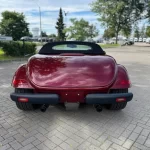



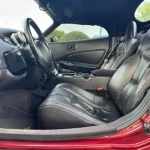
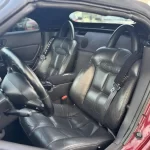



1. Radical Aluminum Architecture: An Engineering Testbed
At first glance, the Prowler's bodywork makes it easy to assume the car sits on a conventional steel chassis. The reality was considerably more interesting.
Chrysler used the Prowler to experiment with lightweight construction, combining extruded and cast aluminum components with modern bonding and welding techniques.
- Extruded and Cast Aluminum Frame: The chassis used high-strength 6000-series aluminum alloy, with MIG welding and structural adhesive bonding.
- Lightweight Suspension Components: The front and rear control arms were cast from semi-solid aluminum.
- Curb Weight: The Prowler weighed about 2,838 lbs (1,287 kg), giving the roadster a relatively light footprint for its time.
The weight savings were important. The Prowler was designed around handling and balance rather than simply adding horsepower.
2. The 50/50 Balance and Rear Transaxle Setup
Open the front-hinged hood and the longitudinal engine layout is immediately obvious. Follow the drivetrain toward the rear, though, and you find one of the Prowler's more interesting engineering features.
The transmission isn't mounted directly behind the engine.
To help achieve its near 50/50 weight distribution, Chrysler used a layout more commonly associated with high-end sports and grand touring cars.
- A composite driveshaft runs through a rigid torque tube.
- Power travels to an electronically controlled 4-speed Autostick transaxle mounted between the rear wheels.
- Moving the transmission to the rear helped distribute weight across the chassis and contributed to the Prowler's handling balance.
For a car built around a retro hot rod design, the drivetrain layout was surprisingly sophisticated.
3. The 3.5L High-Output V6: Misunderstood Power
The biggest argument surrounding the Prowler has always been the engine. Enthusiasts still ask the same question: why didn't Chrysler put a V8 in it, and why wasn't there a manual transmission?
The answer had a lot to do with packaging and weight.
Chrysler's cast-iron V8 engines of the late 1990s were heavier and physically wider than what the Prowler's narrow front end was designed to accommodate. Installing one would have required significant changes to the chassis and front suspension, while adding weight at the front of the car.
By the 2002 model year, the Prowler used the upgraded all-aluminum 3.5L 24-valve SOHC V6.
- Output: 253 horsepower and 255 lb-ft of torque.
- 0–60 mph: Roughly 5.7 to 5.9 seconds.
Those numbers were respectable in 2002. A sub-six-second 0–60 mph time put the lightweight Prowler into serious performance territory, despite the car using a V6 instead of the V8 many enthusiasts expected.
4. Open-Wheel Front Suspension and Cycle Fenders
The front suspension is one of the Prowler's most recognizable features.
Chrysler wanted the car to capture the appearance of 1930s dry-lakes roadsters while still meeting North American safety requirements. The solution involved placing the front coil-over shocks and pushrods inboard, hidden within the nose of the car.
The front fenders are mounted to the wheel assemblies rather than being fixed to the main body. As the front wheels turn, the fenders turn with them.
The wheels add to the look. The Prowler used 17-inch front wheels and 20-inch rear wheels, giving the car the long, low and heavily raked stance associated with traditional hot rods.
It was an unusual design for a production car, and Chrysler didn't tone it down much before putting it into showrooms.
5. 2002: The Final Curtain Call
T
he 2002 model year has a particular place in Prowler history for several reasons.
- From Plymouth to Chrysler: The Prowler was originally sold under the Plymouth brand. After DaimlerChrysler discontinued Plymouth, the roadster continued under the Chrysler name.
- Limited Production: From 1997 through February 2002, total production reached 11,702 Prowlers worldwide.
- The Luggage Dilemma: The rear-mounted transaxle and suspension left very little room for luggage. The trunk measured only about 1.8 cubic feet.
Chrysler's solution to the luggage problem was almost as unusual as the car itself. Buyers could order a matching teardrop-shaped trailer painted in factory colors and fitted with matching wheels.
For a car already designed to look like a custom-built hot rod, a matching factory trailer was a fitting addition.
Quick Reference Specs: 2002 Chrysler Prowler
| Specification | Factory Metric |
|---|---|
| Engine | 3.5L High-Output 24-Valve SOHC V6 |
| Horsepower | 253 hp @ 6,400 RPM |
| Torque | 255 lb-ft @ 3,950 RPM |
| Drivetrain | Rear-Wheel Drive, Rear Transaxle |
| Transmission | 4-Speed Autostick Automatic |
| Curb Weight | ~2,838 lbs (1,287 kg) |
| Wheel Setup | 17-inch Front / 20-inch Rear |
| Assembly Plant | Conner Avenue Assembly, Detroit, Michigan |
Frequently Asked Questions
Why doesn't the Prowler have a V8 engine?
Packaging and weight distribution were major factors. The narrow front end wasn't designed around Chrysler's existing cast-iron V8 engines. Installing one would have added considerable weight and required changes to the chassis and front suspension.
The aluminum 3.5L V6 allowed Chrysler to keep the car relatively light while maintaining the intended balance and performance.
Is the Prowler considered a Plymouth or a Chrysler?
Both.
The Prowler was sold under the Plymouth brand from 1997 to 2001. After DaimlerChrysler discontinued Plymouth, the car continued with Chrysler badging during its final production period in 2001 and 2002.
How many Chrysler Prowlers were produced in 2002?
Total Prowler production for the 2002 final model year was roughly 1,436 units, making 2002 one of the lower-volume model years for the car.
The Prowler was never intended to be an ordinary production roadster. Its appeal today comes from the fact that Chrysler took a design that looked like a custom-built hot rod and actually put much of the idea into production.
Underneath the exaggerated styling was an aluminum chassis, rear transaxle, inboard suspension components, lightweight construction, and a drivetrain layout designed around balance.
That combination is what makes the Prowler more than a styling exercise. It was one of the rare cases where a manufacturer took a radical concept and brought much of the original idea to the street.